
The sensors in your eBike control how the motor supports your pedaling efforts. Cadence sensors and torque sensors are two of the most popular sensor types found in modern, high-quality eBikes—but what’s the difference between them, and what type is best for you?
Below, our team of eBike experts at Surface 604 breaks down the differences between these two types of pedal-assist systems so that you can make informed decisions when considering future purchases.
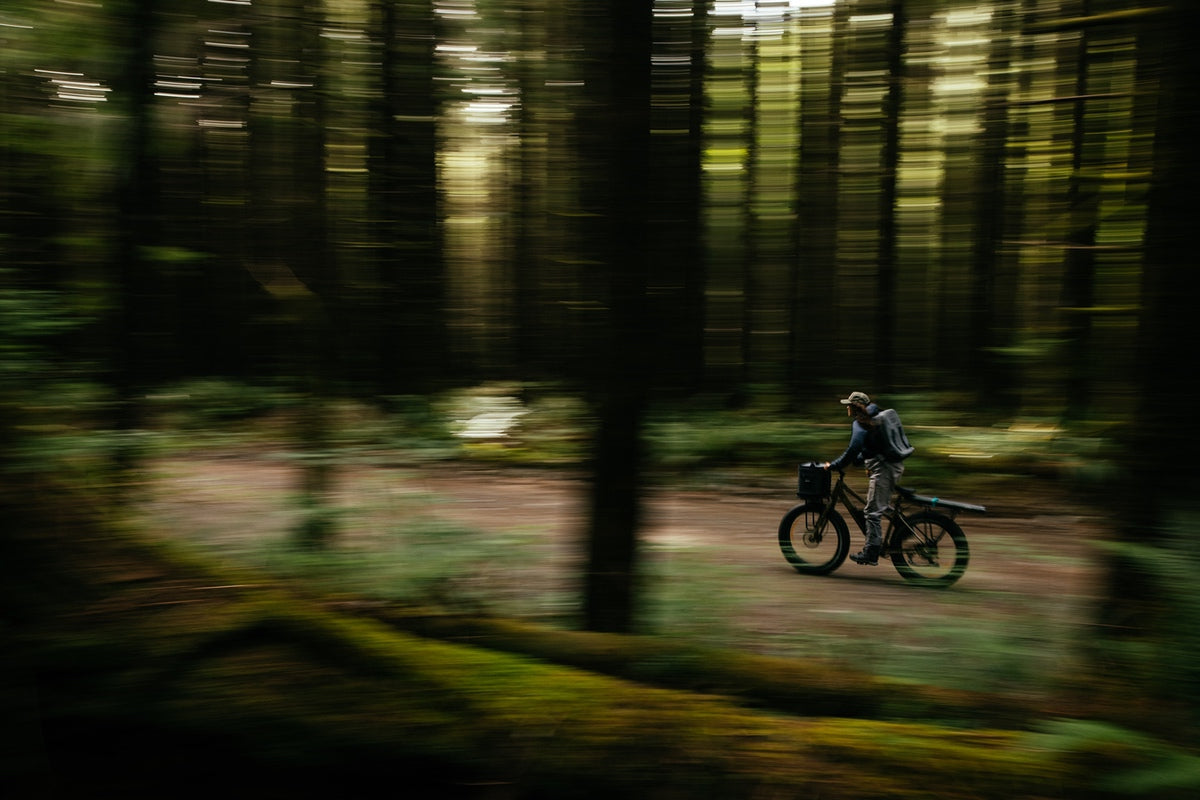
An eBike sensor is a crucial element that interprets your pedaling behavior and instructs the bike's motor to deliver a certain amount of power accordingly. Essentially, sensors are what make an eBike "electrically intelligent," allowing for a harmonized collaboration between human input and machine power.
While both cadence and torque sensors serve the same overarching purpose—i.e., to measure pedaling parameters—they do so in fundamentally different ways, each with its unique set of advantages and drawbacks. Let’s take a closer look.
Cadence sensors operate on a rather straightforward mechanism: they measure the rate at which the pedals are spinning—known as "cadence"—and signal the motor to provide power based on that rotational speed.
These sensors typically use magnets and Hall-effect sensors or reed switches to gauge cadence. The key takeaway here is that cadence sensors don't measure the force applied to the pedals; they only monitor how fast you are pedaling.
One of the chief advantages of cadence sensors is their cost-effectiveness up front. These sensors are generally less expensive to produce, resulting in lower eBike costs. If you're particularly budget-conscious, eBikes with cadence sensors could be a feasible option.
Maintenance for cadence sensors is relatively uncomplicated due to their simpler design. However, this doesn’t necessarily mean you’ll spend less money maintaining a model with cadence sensors, especially if it uses cheap components.
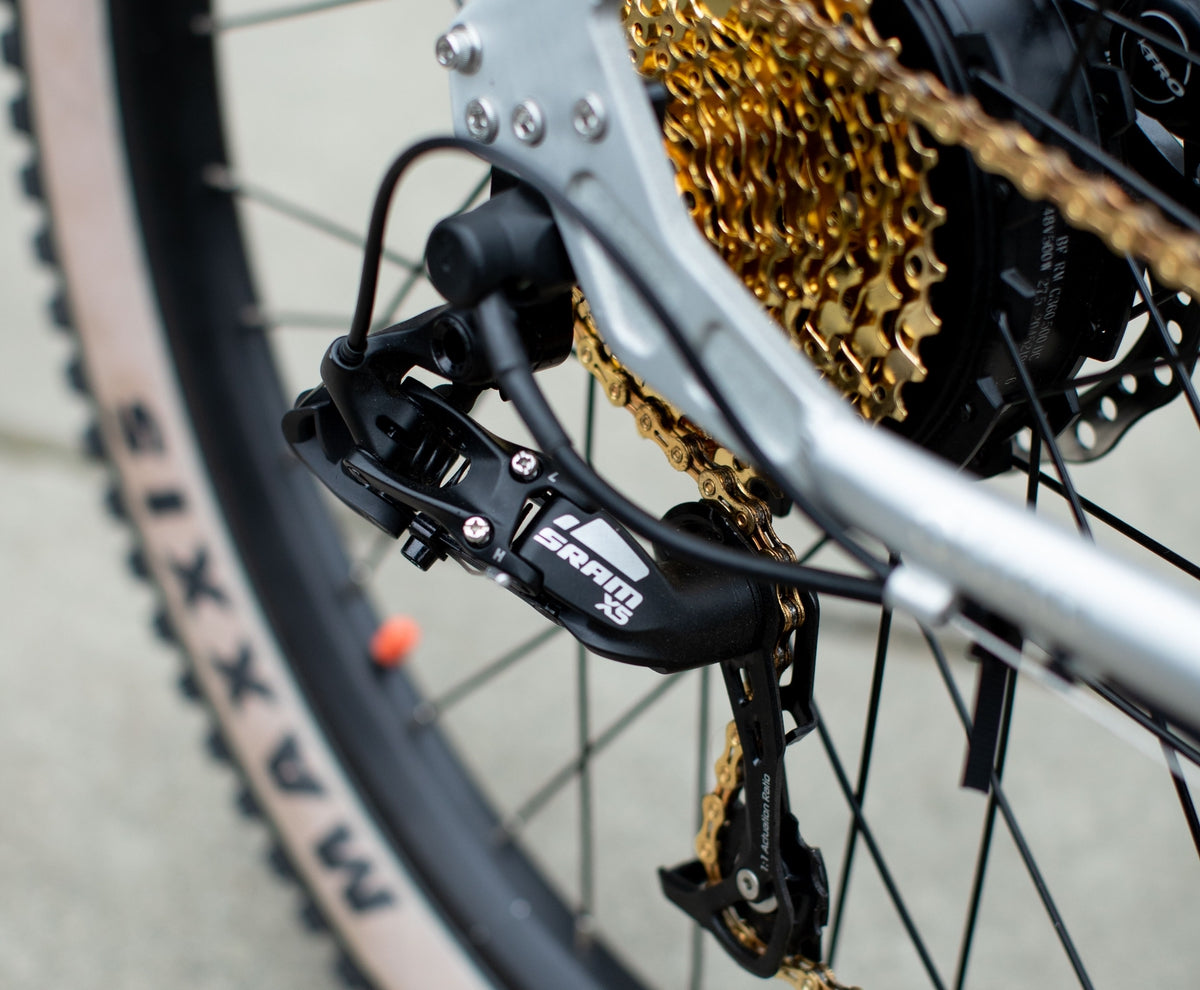
Torque sensors offer a more nuanced method of measurement, gauging not just the pedal speed but also the amount of force being applied. This results in a more "natural" biking experience, as the motor's power output is dynamically adjusted based on how hard you're pedaling.
Torque sensors usually employ strain gauges that flex minutely when force is applied to the pedals. This produces a small change in electrical resistance, which is then measured and converted into a torque value for the motor.
Due to the complexity and precision involved, torque sensors are generally more expensive than cadence sensors. As a result, some eBikes equipped with torque sensors have a higher upfront cost. However, this isn’t always the case—and many users find that the price they pay for a model with torque sensors is justified by the improved riding experience anyway.
Torque sensors require more intricate engineering than cadence sensors, so you generally want to have them serviced and replaced by professionals. A well-maintained torque sensor can offer unparalleled performance and responsiveness, so keeping them in good shape is important!
To help you decide between eBikes with cadence sensors and those with torque sensors, we’ve created a chart that explains their differences at a glance:
|
Cadence Sensors |
Torque Sensors |
|
|
How It Works |
Measures pedal rotation speed |
Measures force applied to pedals as well as rotation speed |
|
Complexity |
Simple design |
More complex and sophisticated design |
|
Affordability |
Generally cheaper upfront |
Usually more expensive upfront |
|
Performance Feel |
Less natural; motor engages based solely on pedal speed |
More natural, responsive; motor power scales with pedaling force |
|
Power Efficiency |
Less efficient; fixed power levels can waste energy |
More efficient; power output adjusts to actual pedaling needs |
|
Riding Experience |
Good for flat terrains and casual riding |
Ideal for varied terrains and performance-oriented riding |
|
Responsiveness |
Can have a slight lag in power engagement/disengagement |
Immediate and smooth power engagement/disengagement |
|
Installation Complexity |
Generally easier to install |
More complex installation often requiring professional help |
|
Ease of Maintenance |
Easier, DIY fixes sometimes possible |
Harder, generally requires professional servicing |
|
Longevity |
Can fail more frequently if made from cheaper components |
Generally made from longer-lasting components |
|
Compatibility |
More universally compatible with different eBike models |
May be model-specific and less universally compatible |
|
Weather Resistance |
Generally good |
Typically better due to higher-quality materials and construction |
It’s worth noting that torque sensors are rare in fat tire eBikes, but that doesn’t mean they’re impossible to find! The Boar Hunter and Boar Explorer from Surface 604 both come with torque sensors as standard equipment to deliver the smoothest possible ride.
Surface 604’s cruiser eBike models (including the Big Sky and Sunny Day) come with torque sensors and each cost less than $3000 CAD. The same goes for our Twist folding eBike, which offers the added convenience of being highly storable and portable.
Regardless of what you pay for your eBike up front, you’ll find that the boost to reliability and longer intervals between required services make models with torque sensors an economical choice—and with Surface 604’s extensive network of dealers, finding pros to provide professional help for your eBike is easy!
Now that you know more about the differences between torque and cadence sensors, we hope you’ll have the confidence you need to choose between models that use one type or the other. For questions about our range of torque-sensor-equipped eBikes, give Surface 604 a call and speak with one of our team members—or keep reading for answers to our most frequently asked questions about the technology that keeps our pedals turning.
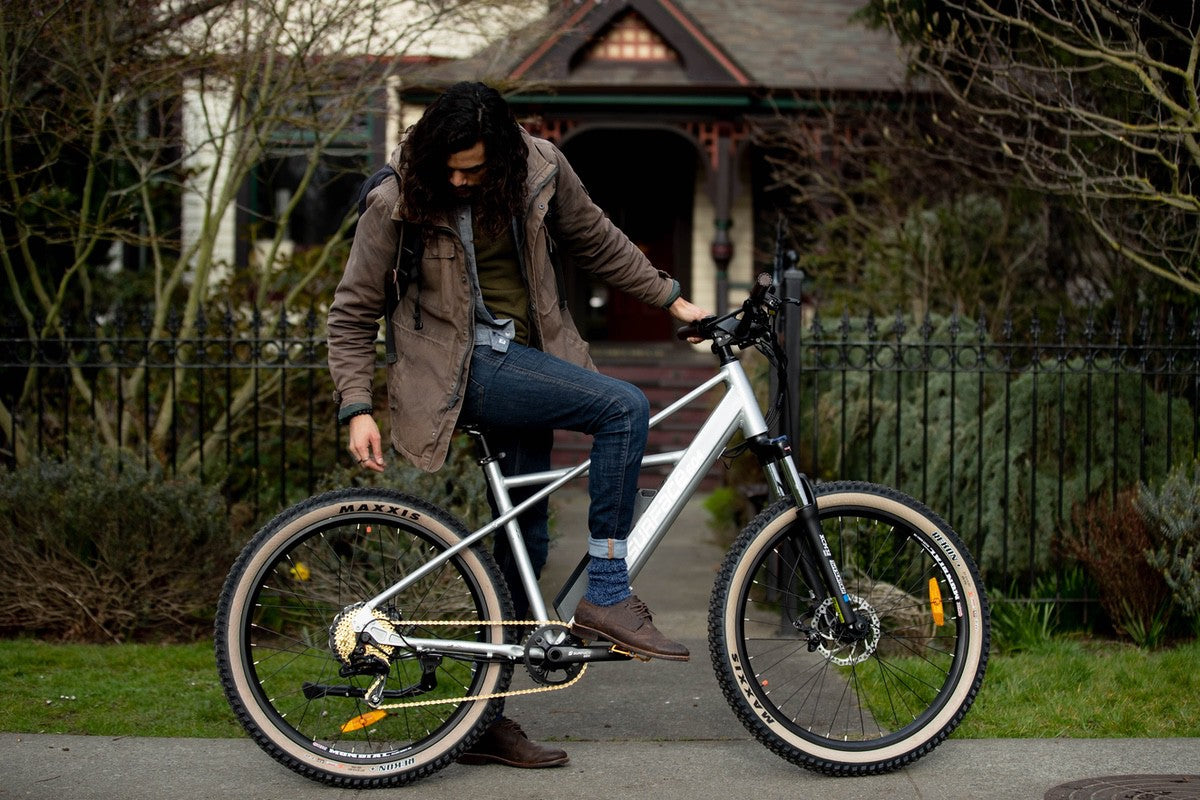
It’s usually easier to purchase an eBike that was designed to use torque sensors from the outset, as the mechanical skill required to switch sensors out is fairly advanced.
There are lots of factors involved in how long an eBike battery lasts—but hypothetically, an eBike with torque sensors should enjoy longer battery life than an otherwise identical model using cadence sensors. This is because torque sensors use energy more efficiently.
Not really. If an eBike only has torque sensors, you’ll have to continue pedaling once it reaches top speed to keep the motor engaged—but all Surface 604 eBikes also have thumb throttles you can use to engage the motor at the push of a button. This prevents fatigue in situations where you want to run the motor but are too tired to push the pedals at all.
While both types of sensors are generally built to withstand common weather conditions, torque sensors often have the upper hand in extreme conditions due to their higher-quality construction.
However, it's advisable to check the manufacturer's guidelines for your specific model for detailed information on weather resistance. All Surface 604 models are rated IP65, which signifies strong resistance to solid contaminants like dirt and dust, as well as decent resistance to moisture (making them suitable for riding in mild to moderate rain).

Discover the ideal winter eBike with Surface 604. Robust, all-terrain designs perfect for cold weather. Explore our range for safe, comfortable winter rides!

Prepping your eBike for riding in the winter is easy but important. Learn how to adjust your tire pressure, charge and store your battery, and more.

Choosing between hub drive vs. mid-drive motors depends on your riding style, maintenance habits, budget, and more. Learn the difference here!
Related Bikes
Related Articles
Stay in the Ride
eBike tips, new models, and rider stories.



